
 +1 555 346 27 41



An investor visits a coastal plot near Chake Chake, likes the price and the access track, and receives a photocopied sale agreement from a friendly seller within a day. The plot may be perfectly viable, or the seller may hold only a limited right that cannot be transferred to a foreign company without government consent. The legal mistakes in buying commercial land on Pemba Island almost always start at this point: money moves before anyone has confirmed which rights exist and which approvals the project needs. This guide follows the transaction in the order a buyer meets each risk.
The biggest legal mistakes when acquiring commercial land on Pemba Island are assuming foreigners can obtain freehold ownership, trusting unverified sellers, paying deposits before checking land rights, and overlooking ZIPA approvals, lease restrictions and environmental permits. Foreign investors should confirm the investment structure, registered interests, permitted use and government approvals before committing funds.

The 10 Biggest Legal Mistakes on Pemba Island
The ten mistakes below cover the whole transaction, from the first conversation with a seller to resale. Each entry names the risk and the immediate corrective action. The legal position described here is general information as of October 2026 and must be confirmed for each plot.
- Assuming a foreigner can own the land outright. Zanzibar land is held within a public-land system, and a foreign investor usually deals in a lease or another authorized interest rather than ownership of the ground. Ask counsel in writing which exact legal interest is being transferred.
- Relying on the seller’s own documents. A document handed over by a seller proves nothing until the issuing authority confirms it. Have an independent lawyer check records with the relevant land office and compare them with the physical site.
- Paying before verification. A deposit paid on a handshake or an informal receipt is hard to recover if the transfer fails. Before you pay a deposit, confirm the approval status and make payment conditional on defined legal checks.
- Choosing the wrong investment category. The Zanzibar Investment Act No. 10 of 2023 applies different capital thresholds to different sectors, and hotels and real estate are treated separately. Classify the project with ZIPA or counsel before you design the transaction.
- Misunderstanding ZIPA approval. The Zanzibar Investment Promotion Authority (ZIPA) issues the Certificate of Investment for qualifying projects, and a seller’s promise cannot replace it. Confirm whether the project needs one and what it covers.
- Accepting uncertain lease rights. Advertised terms of 33, 49 or 99 years often come with no statutory citation. Read the actual instrument and identify the legal provision it relies on.
- Ignoring permitted use. Holding land is a separate question from being allowed to build a hotel, warehouse or processing plant on it. Check zoning, approved use and planning consent before you value the plot.
- Missing environmental permissions. The Zanzibar Environmental Management Authority (ZEMA) screens projects, and the outcome shapes cost and timing. Ask for screening early, before construction budgets are fixed.
- Overlooking access and community claims. A plot without documented access, or with existing users, crops or family claims, can be unusable even with clean paperwork. Inspect the site, walk the boundaries and record every occupant.
- Signing without transfer and exit safeguards. Contracts that ignore refunds, failed consents, assignment and financing security leave the buyer exposed. Insist on conditions precedent and a clear exit route.
Mistake 1: Assuming Foreigners Can Own Freehold
A foreign investor on Pemba should not assume that any general route exists to buy commercial land outright, because Zanzibar operates its own land framework under which land is held in the public interest and private parties obtain defined rights over it. A sale agreement signed with a private person is therefore evidence of a deal, not proof of a transferable legal interest.
How Zanzibar land tenure works
The Zanzibar Land Tenure Act, 1992 is the foundational statute for land rights, and the Commission for Lands Zanzibar is the government body that administers land matters. Three situations are often confused: a person who occupies land under a recognized right, a person who holds a government land lease, and a person who claims to own the land in the sense familiar from other countries. A foreign buyer must establish which of the three describes the seller’s position, because the seller can only pass on what the seller lawfully holds.
Acquisition structures for commercial projects
Commercial investors typically operate through a registered local company or a project vehicle, and the investment route depends on the project’s size and sector. In practice, the process looks like this: counsel identifies the seller’s interest, confirms whether the project falls under the Zanzibar Investment Act No. 10 of 2023, and determines whether a government lease or another authorized interest is the correct instrument. A private land sale agreement is not an approved investment structure. It becomes relevant only after the lawful route has been identified.
Why mainland Tanzania rules cannot be assumed
Pemba and Unguja are governed by Zanzibar law, and the mainland Tanzania land-purchase route does not apply unchanged to them. Mainland guidance on land categories, village land or investment centres may describe institutions that have no counterpart on Pemba. When a source does not say whether it describes Zanzibar or the mainland, treat it as unreliable for a Pemba transaction. Official Zanzibar land information is published by the Commission for Lands.
Mistake 2: Trusting the Seller Without Due Diligence
Commercial land due diligence on Pemba means independently authenticating who the seller is, what the seller holds and what burdens the land carries, rather than collecting copies from the seller. Receiving a document and authenticating a document are different acts. A certified-looking photocopy tells the buyer only that a copy exists, while a registry confirmation tells the buyer what the record says today.
A mistake we see foreign buyers make: they accept the seller’s explanation of a family arrangement or inheritance without asking who else has a claim. Check the seller’s identity against official identification, and confirm authority where a representative signs under a power of attorney. For a company seller, verify registration with the Business and Property Registration Agency (BPRA) and obtain the board resolution that authorizes the sale. For inherited interests, ask for evidence of succession and whether other heirs consent. Walk the boundaries with the survey plan in hand, because a plan that matches the paper but not the ground is a warning sign. Ask neighbors and local leaders about disputes in a respectful way, and ask counsel to search for mortgages, pending cases and unpaid obligations.
| Document | What to verify | Who confirms it | Red flag |
|---|---|---|---|
| Seller’s identity and authority documents | Identity matches the registered holder, or authority to act for that holder is documented | Independent lawyer, with the issuing body where possible | Seller cannot explain how the interest was acquired, or acts only through an informal intermediary |
| Title, lease or occupancy record | The exact right held, its duration, its conditions and its registration | Commission for Lands Zanzibar or the competent land registry office | Document exists only as a copy, or the registry cannot locate the record |
| Survey plan | Boundaries, area and plot reference match both the record and the ground | Licensed surveyor and the land authority | Boundary markers missing, or the area differs from the paperwork |
| Encumbrance and dispute search | Mortgages, charges, caveats, court cases and unpaid obligations | Counsel searching relevant registries and court records | Seller resists the search or urges payment before it finishes |
| Company registration and resolutions | Company exists, directors are current, sale is authorized | BPRA records, checked by counsel | Signatory is not a registered director or authorized representative |
| Family or succession consent | Other heirs or users have agreed or have no claim | Counsel, with documented statements | Verbal assurances only, or relatives missing from the process |

Mistake 3: Misunderstanding ZIPA Investment Requirements
The Zanzibar Investment Promotion Authority (ZIPA) is the government agency that registers and approves qualifying investment projects in Zanzibar, and its Certificate of Investment is the document that records an approved project and the incentives and rights attached to it. A Certificate of Investment does not by itself prove that a plot is available or that the seller can transfer it. The land interest and the investment approval run on connected but separate tracks.
Ordinary thresholds and hotel or real-estate projects
As of October 2026, our reading of the Second Schedule to the Zanzibar Investment Act No. 10 of 2023 is that qualifying foreign investment in most sectors carries a minimum of USD 500,000, while qualifying foreign hotel and real-estate projects carry a higher minimum of USD 2.5 million. The Zanzibar Investment (General) Regulations, 2025 add procedure and detail. Older public guidance pages may still show earlier figures, so confirm the current numbers and the classification of your project with ZIPA or counsel. A threshold describes the capital of the project, and it is not the purchase price of the plot.
Pemba Strategic Investment Status
Pemba has separate criteria for Strategic Investment Status. As described in the project brief and subject to confirmation against current instruments, these include USD 5 million of investment with 30% equity, or an alternative of USD 2 million with 100 direct jobs for qualifying projects outside hotels. Strategic Investment Status is an additional, higher tier and not a prerequisite for every commercial plot. Treating it as the ordinary entry requirement leads investors to overstate or understate what their project needs.
| Investor classification | Relevant threshold (as of October 2026, to be confirmed) | Application | Verification needed |
|---|---|---|---|
| Foreign investor in a qualifying non-hotel, non-real-estate sector | USD 500,000 under the 2023 Act’s Second Schedule | ZIPA application leading to a Certificate of Investment | Sector classification and current figure under the Act and 2025 Regulations |
| Foreign hotel or real-estate project | USD 2.5 million under the 2023 Act’s Second Schedule | ZIPA application, with project-specific documents | Whether the activity is treated as hotel or real estate, and how capital is counted |
| Pemba strategic project | USD 5 million with 30% equity, or USD 2 million with 100 direct jobs outside hotels | Separate strategic status criteria on top of ordinary approval | Current wording of the criteria and how jobs and equity are evidenced |
| Property buyer seeking incentives | No automatic right to develop commercial land | Depends on the buyer’s route and the project | Whether any incentive applies to a commercial development at all |
The Business and Property Registration Agency (BPRA) has a separate role: it registers companies and records ownership, and its requirements for foreign-owned companies, including any current minimum share capital, must be checked directly because they do not substitute for ZIPA approval. Official information on investment procedures is published by ZIPA.
Mistake 4: Accepting Unverified Land Lease Terms
A government land lease is only as valuable as its verified term, its transfer conditions and its permitted use, so an investor should never price a plot from a lease length quoted in an advertisement. Sources disagree on the figures. Some introductory guides say foreign leases run for 99 years or renew automatically, while other materials point to a 49-year rule for public land and a 33-year provision connected with investment leases. Do not average these figures or choose the most attractive one. The correct term depends on the statutory basis, any later amendments, the Zanzibar Investment Act No. 10 of 2023 where it applies, and above all the signed lease.
We always recommend asking counsel to name the exact legal provision under which a lease was granted, then to read that provision beside the lease clause on duration and renewal. The Zanzibar Land Tenure Act, 1992 is the starting point, but it does not settle the question alone. Remaining years matter more than the headline term, because a 33-year lease with 31 years left may be worth more than a longer lease with a short remainder. Renewal should never be assumed unless the document grants it clearly.
| Lease clause | Investor question | Potential risk |
|---|---|---|
| Term and remaining duration | Which provision sets the term, and how many years remain? | Valuation built on a figure the law or document does not support |
| Renewal | Is renewal granted, conditional or merely hoped for? | Loss of the asset at expiry despite heavy investment |
| Assignment and subleasing | Who must consent, and on what grounds can consent be refused? | Inability to sell, finance or operate through tenants |
| Permitted use | Does the lease allow the intended commercial activity? | Breach by operating, or refusal of permits |
| Rent and review | How is rent set, and can it rise during the term? | Cost escalation that undermines project economics |
| Development obligations | Are there deadlines to build or invest? | Default or termination for slow development |
| Default and termination | What triggers termination, and is there a cure period? | Early loss of the lease with little compensation |
| Reversion at expiry | What happens to buildings and improvements? | Structures revert without payment |

Mistake 5: Ignoring Commercial Land-Use Restrictions
Acquiring a land interest and obtaining permission to build and operate a commercial project are two separate legal questions, and mistaking one for the other is a costly error on Pemba. A lawful lease does not by itself authorize a hotel, a warehouse or a processing facility. The project still needs consistency with zoning and approved land use, planning and building consent, any sector licence, and an environmental decision.
The Zanzibar Environmental Management Authority (ZEMA) screens projects and places them in approval categories according to their expected environmental effect. In plain English, a small inland facility may need a lighter review, while a coastal hotel or a project near sensitive marine or shoreline areas may need a full environmental impact assessment. The category that applies to your project must be confirmed with ZEMA, and we do not quote a universal shoreline setback distance or a standard permit period, because none can be stated without the applicable official instrument. Coastal and marine conservation restrictions apply only where official instruments confirm them for the specific location.
The sequence below is an illustration of how counsel often orders the checks, not a guaranteed timetable:
- Confirm the seller’s interest and the proposed legal structure before any commercial planning.
- Check the zoning and approved land use for the plot, and whether a change of use is needed.
- Classify the project for ZIPA purposes and confirm the investment route.
- Request ZEMA screening to learn which approval category applies.
- Establish planning and building approval requirements with the competent authorities.
- Identify operational licences, for example tourism permits where relevant.
- Only then fix the construction budget and sign binding purchase or lease documents.
Our practical feasibility check is simple: if any item in this list is unresolved, the plot’s value is uncertain and the price should reflect that.
Mistake 6: Overlooking Pemba Land Access and Community Rights
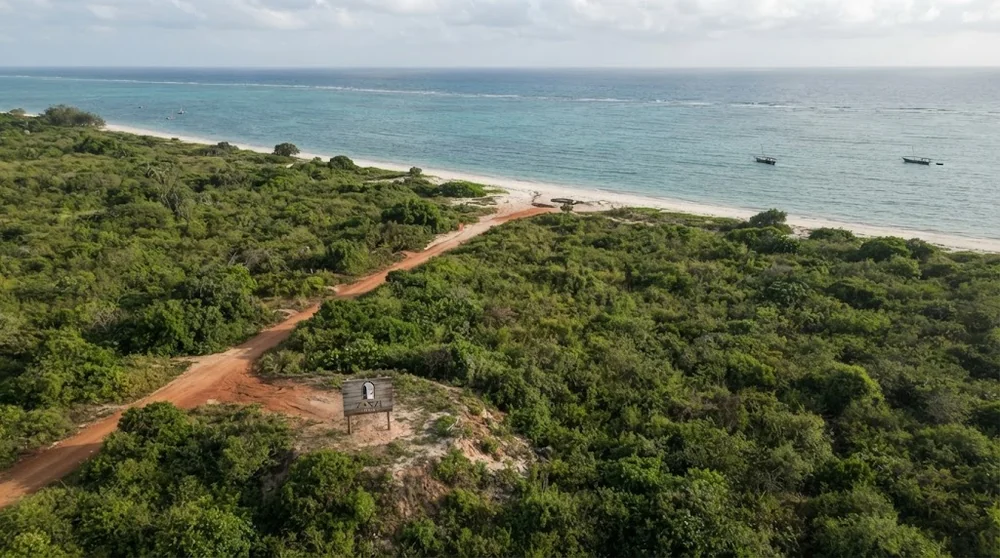
A plot with perfect paperwork can still fail commercially if it has no documented legal access, no practical services or unresolved claims from people who already use it. Pemba’s infrastructure varies by location, so a site near Chake Chake or Mkoani may have different road, power and water conditions from a remote coastal plot. These are observations to test on site, and they are not legal rules.
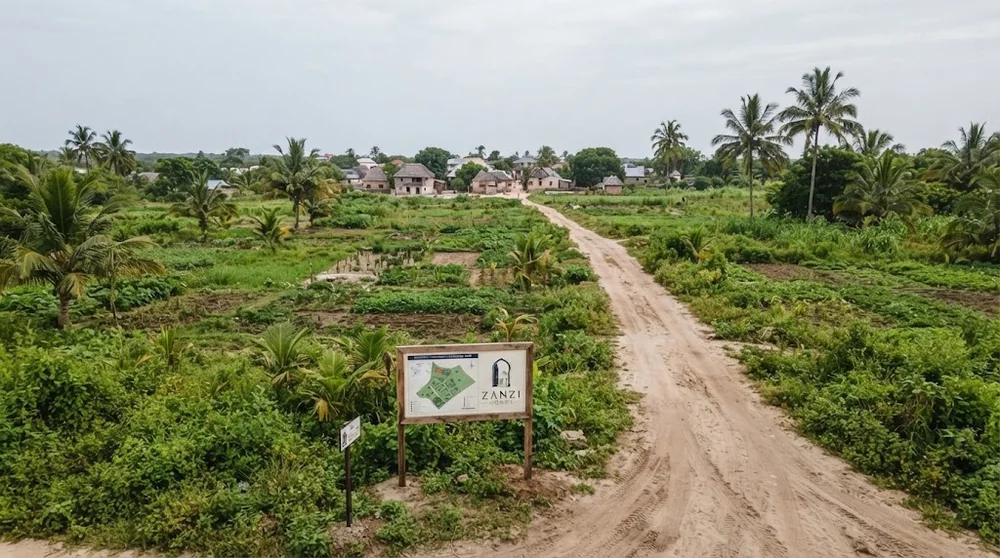
Separate what you can see from what you can enforce. A track across a neighbor’s field is a physical fact, while a registered easement or equivalent written arrangement is a legal right. Informal assurances from a seller or a village contact do not bind anyone once the plot changes hands. Respect for existing users is both an ethical point and a legal one: crops, structures, grazing and informal claims may give rise to compensation expectations, and a transaction that ignores them can lead to disputes and delay. Do not import mainland-specific legal categories into this analysis, and ask counsel what Zanzibar law and the relevant authorities require for the plot in question.
Questions to ask during the site inspection:
- Is there documented legal access, such as a registered right of way or an access boundary within the plot?
- Does the survey plan show the access route, and does the ground match it?
- Who farms, lives on or passes through the land, and what do they say about the sale?
- Where would water, electricity and wastewater services come from, and who confirms capacity?
- Does the site flood, erode or drain poorly in the rainy season?
- Can construction materials and staff reach the plot reliably throughout the year?
- Has the community been consulted in a way that can be documented?
Mistake 7: Paying Deposits Before Legal Clearance
A deposit should be released only after identity, rights and approval routes have been checked, because recovering money after a failed government consent is difficult without a written agreement that provides for it. No particular deposit arrangement is universally safe or legally mandatory, so the structure below is a practical sequence and not a statutory requirement.
- Identify the seller and appoint independent counsel who does not act for the seller.
- Obtain and authenticate the title, lease, survey and registration records.
- Confirm the foreign-investment route and whether a Certificate of Investment is needed.
- Identify every government consent that the transfer or project requires.
- Assess environmental and commercial feasibility, including access and services.
- Negotiate a conditional agreement with conditions precedent, a long-stop date and a refund right if consents fail.
- Agree documented payment arrangements, through a lawyer’s client account or another traceable channel. Escrow may or may not be available, and you should not assume it is.
- Release funds in stages, only when each stated condition has been met.
Document requests should include the seller’s identification and authority papers, the title or lease, current registry confirmation, the survey plan, evidence of encumbrance searches, any prior approvals and any correspondence with authorities. Keep evidence of every payment, and check banking and exchange-control requirements with your bank. Undocumented cash payments leave no trail and no remedy. If government consent is refused, the agreement should say whether the buyer receives a full refund, within what period, and who bears costs.
A contractual red flag: a clause that makes the deposit non-refundable while the seller’s right to transfer the land, or the government’s consent, is still unconfirmed. Such a clause moves the risk of a failed approval entirely to the buyer.
Mistake 8: Underestimating Fees and Approval Timelines
Official fees, professional charges and ongoing lease costs are different categories, and a realistic budget keeps them apart. ZIPA, BPRA, land registration and ZEMA procedures are not interchangeable, and each has its own requirements. As of October 2026, we do not state a universal commercial land transaction tax, an overall budget or standard approval periods, because none can be confirmed as a general rule. ZEMA publishes certificate fees for its categories, and any figure must be checked against the current published schedule before it is used in a budget.
| Expense | Authority or provider | Published fee or variable cost | Verification needed |
|---|---|---|---|
| Investment approval and Certificate of Investment | ZIPA | Confirm any published fee directly | Current ZIPA schedule under the 2025 Regulations |
| Company registration | BPRA | Published fees vary by company type and capital | Current BPRA fee and share-capital rules for foreign-owned companies |
| Land registration and lease documentation | Commission for Lands Zanzibar | Confirm official charges and any taxes on transfer | Current rates, and whether a charge applies to this transaction |
| Environmental screening and certificate | ZEMA | Published category fees exist; confirm the current amount | Whether the published schedule remains valid |
| Survey and valuation | Licensed surveyor or valuer | Variable, quoted by the provider | Written quotation and scope |
| Legal and tax advice | Independent lawyer and tax adviser | Variable, by agreement | Fee basis in a signed engagement letter |
| Environmental consultant | Registered consultant | Variable, depending on project category | Registration status and scope of work |
| Infrastructure connections | Utility providers and contractors | Variable, site-specific | Written quotation and connection feasibility |
| Ongoing lease rent | Lessor under the lease | Set by lease terms | Rent review clause in the signed lease |
The approval sequence usually moves from land verification to investment classification, company set-up, environmental screening and planning consent, but no single agency controls the whole path and no date can be guaranteed. Build contingency into your plan and treat any adviser’s promised completion date as an estimate.
Mistakes That Can Block Resale or Development
A viable purchase today can still present an unacceptable exit risk, because the same lease terms that allow you to build may restrict you from selling or financing. Assignment and subleasing usually require consent under the lease or by law, and the grounds for refusal matter. A change of project scope, such as turning a warehouse into a guesthouse, may need fresh approvals, and the transfer of an approved investment project to a new owner may need ZIPA consent where applicable. Lenders will ask whether the lease can be mortgaged and what happens on default. Abandonment, missed development deadlines and breach can lead to early termination. Verify each point in the lease and in the statutory approval requirements before signing.
If you are unsure which documents your own situation requires, it is worth putting specific land-law and approval questions to an adviser who works with Pemba transactions before you commit funds.
For one-to-one answers on your land documents and approval route, you can ask the Zanzi Homes team directly before you sign anything.
The two hypothetical scenarios below are illustrations and do not describe real client cases.
Hypothetical scenario A: An investor buys an attractive plot and plans to sell it to a hotel operator in six years. The lease requires lessor consent to assignment, and the consent is discretionary. The operator’s lawyer refuses to proceed without a clear consent, and the plot cannot be sold at the expected price.
Hypothetical scenario B: A buyer purchases coastal land for a small resort, then learns that environmental screening requires a full assessment and that the permitted use does not cover tourism accommodation. The budget and timetable no longer work, and the land, though legally held, is commercially unusable for the original plan.
Pemba Commercial Land: Final Due Diligence Checklist
A final checklist turns scattered checks into a decision, but following it does not guarantee a valid purchase and it does not replace independent legal advice. Use the table to record evidence and decide whether to proceed, investigate further or decline.
| Issue | Evidence required | Status to confirm | Action |
|---|---|---|---|
| Seller authority | Identity, power of attorney or company resolution, succession evidence | Authenticated by counsel | Proceed if confirmed; investigate further if gaps remain; decline if the seller refuses verification |
| Land registration | Registry confirmation of the interest and encumbrance search | Matches the seller’s claim | Proceed if clean; renegotiate or decline if there are undisclosed charges |
| Survey and boundaries | Survey plan and site inspection | Plan matches the ground | Resolve differences with the surveyor before any payment |
| Lease terms | Signed lease and the statutory basis for its term | Term, renewal, assignment and use verified | Renegotiate if consent or renewal terms are unfavorable |
| Investment approval | ZIPA classification and Certificate of Investment route | Route identified and approval status known | Do not pay until the route is clear |
| Environmental constraints | ZEMA screening outcome or written advice | Approval category known | Investigate further if screening is pending |
| Access and services | Documented access, utility feasibility, community consultation | Legal and practical access confirmed | Decline or reprice if access depends on informal assurances |
| Costs and funding | Verified official fees and written professional quotations | Budget separates fixed and variable items | Adjust offer or timeline accordingly |
| Transaction security | Conditional agreement, refund rights, traceable payment | Conditions precedent and long-stop date agreed | Do not sign without them |
Proceed only when every row is confirmed in writing. Investigate further when evidence is partial or approvals are pending. Do not proceed when the seller resists verification, the registry cannot confirm the interest, or payment is demanded before the conditions are agreed.

Frequently Asked Questions About Pemba Land
Can a foreigner legally buy commercial land on Pemba Island?
Foreign investors should not assume a general freehold purchase route exists on Pemba Island. Zanzibar land sits within a public-land framework, and foreign investment usually relies on a legally authorized land interest such as a government lease. The correct structure depends on the project, the existing rights and the approvals required, so independent legal checking before payment is essential.
Do I need ZIPA approval before acquiring commercial land on Pemba?
Whether ZIPA approval is needed depends on how the project is classified under the investment rules. An informal agreement with a landholder is not official authorization. Before paying, ask your lawyer whether a Certificate of Investment is required, which approvals apply to the land interest, and whether the transaction can actually be registered.
What documents should I check before paying for land in Zanzibar?
Check the title or lease, current registry evidence, survey plans, the seller’s identity and authority papers, encumbrance searches and any required permissions. For a company seller, confirm registration and authorization to sell. A qualified independent lawyer should obtain or authenticate these records directly and compare them with the physical site rather than relying on copies from the seller.
Can foreigners get a 99-year commercial land lease on Pemba Island?
Do not assume a 99-year lease from an advertisement. Sources mention 33, 49 and 99 years under different legal frameworks, and they do not agree. The actual term depends on the governing legislation and the signed lease. Renewal is never guaranteed, so confirm duration, renewal wording and transfer restrictions before valuing the plot.
How much must a foreign investor invest in Pemba commercial property?
As of October 2026, the Zanzibar Investment Act No. 10 of 2023 sets a USD 500,000 threshold for most qualifying foreign sectors and USD 2.5 million for hotel and real-estate projects, per our reading. Pemba’s strategic status has separate, higher criteria. These are project investment thresholds, not necessarily the price of one plot, so confirm your classification.
Key Takeaways Before You Commit Funds
The pattern across these eight-plus mistakes is consistent: buyers move forward on assumptions about ownership, approvals and lease terms that nobody has verified. On Pemba, the safer order is to confirm what the seller truly holds, identify the lawful investment route, check whether the project may be built and operated, and only then agree price and payment. A transaction that fails these checks is cheaper to abandon early than to fix after funds have moved.
From our experience on the island, the investors who avoid the worst outcomes are those who treat paperwork as something to authenticate, who respect existing land users and who accept that approval periods cannot be promised. Official sources such as ZIPA and the Commission for Lands should be your reference points, and a lawyer familiar with Zanzibar land and investment legislation should confirm how they apply to your plot.
If you are still deciding where on the island, or in Zanzibar more broadly, your budget and goals fit best, a short selection process can narrow the options before you spend on legal work for individual plots.
If you want options matched to your budget, preferred area and investment goals, a short questionnaire can produce a tailored selection of villas on Zanzibar.
Whatever route you choose, keep the final checklist close and do not release funds until each condition is met in writing.
Legal information disclaimer: This article provides general information as of October 2026 and is not individualized legal, tax or investment advice. Laws, thresholds, fees and procedures in Zanzibar can change, and sources may conflict. Consult a qualified lawyer familiar with Zanzibar land and investment legislation, and tax and environmental specialists where needed, before making any commitment.
 Real estate in Georgia
 Real estate in Cyprus
 Real estate in the UAE
 Bali Real Estate
 Real estate in Thailand
 Real estate in Spain
 Real estate in Saudi Arabia
 Real estate in Turkey
 +1 555 346 27 41
 hello@zanzi.homes
 Posta Kuu Mizingani Road Zanzibar City, 3310, Zanzibar, Tanzania


 Get catalogue of TOP-7 objects